WORKS ON PAPER
CONSERVATION AND RESTORATION
Works of art on paper can be very diverse in form, technique or stylistic approach, which makes this type of artworks fascinating. We’re proud of our experience working with a wide range of techniques and materials throughout the years such as:
- Watercolours
- Charcoal drawings
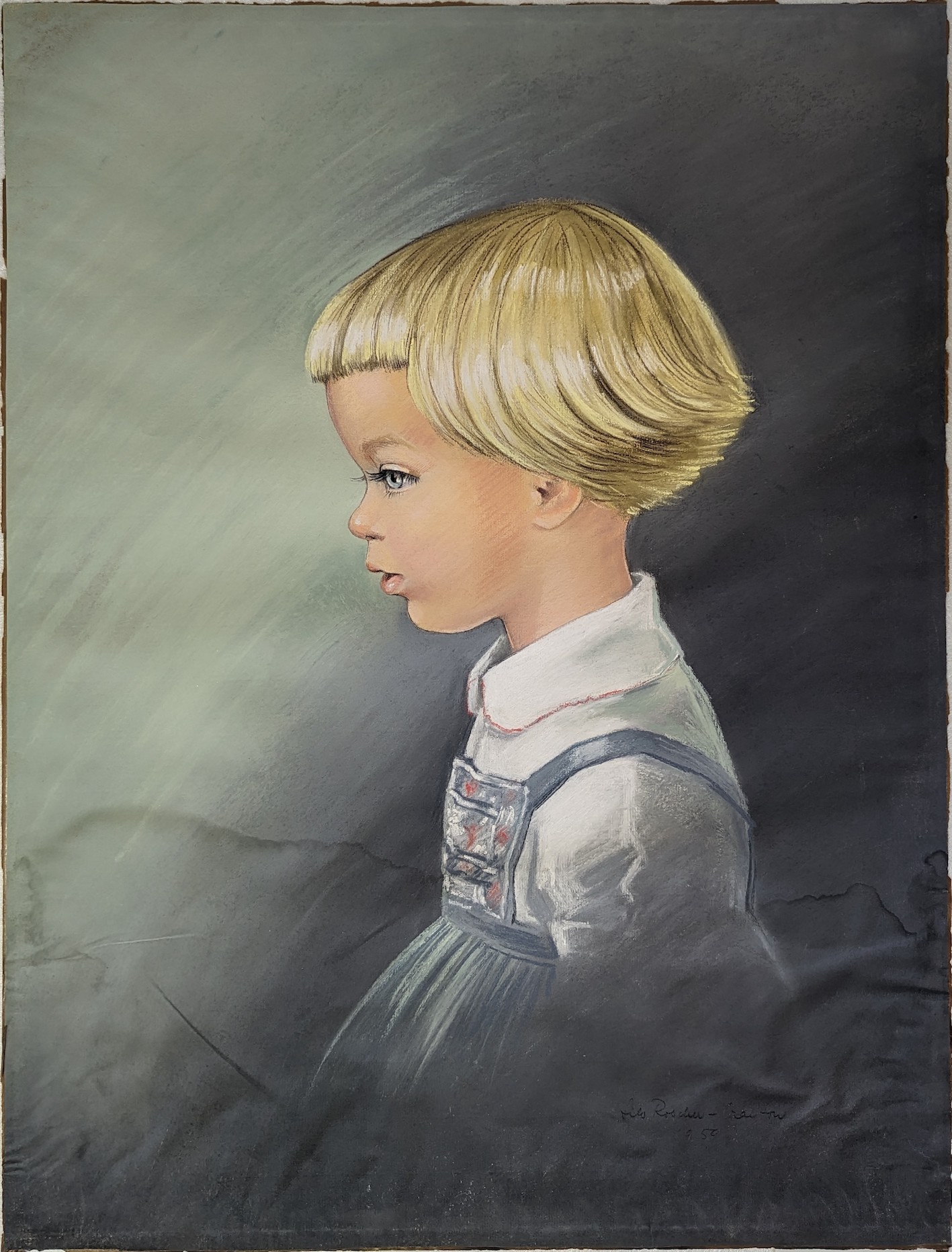
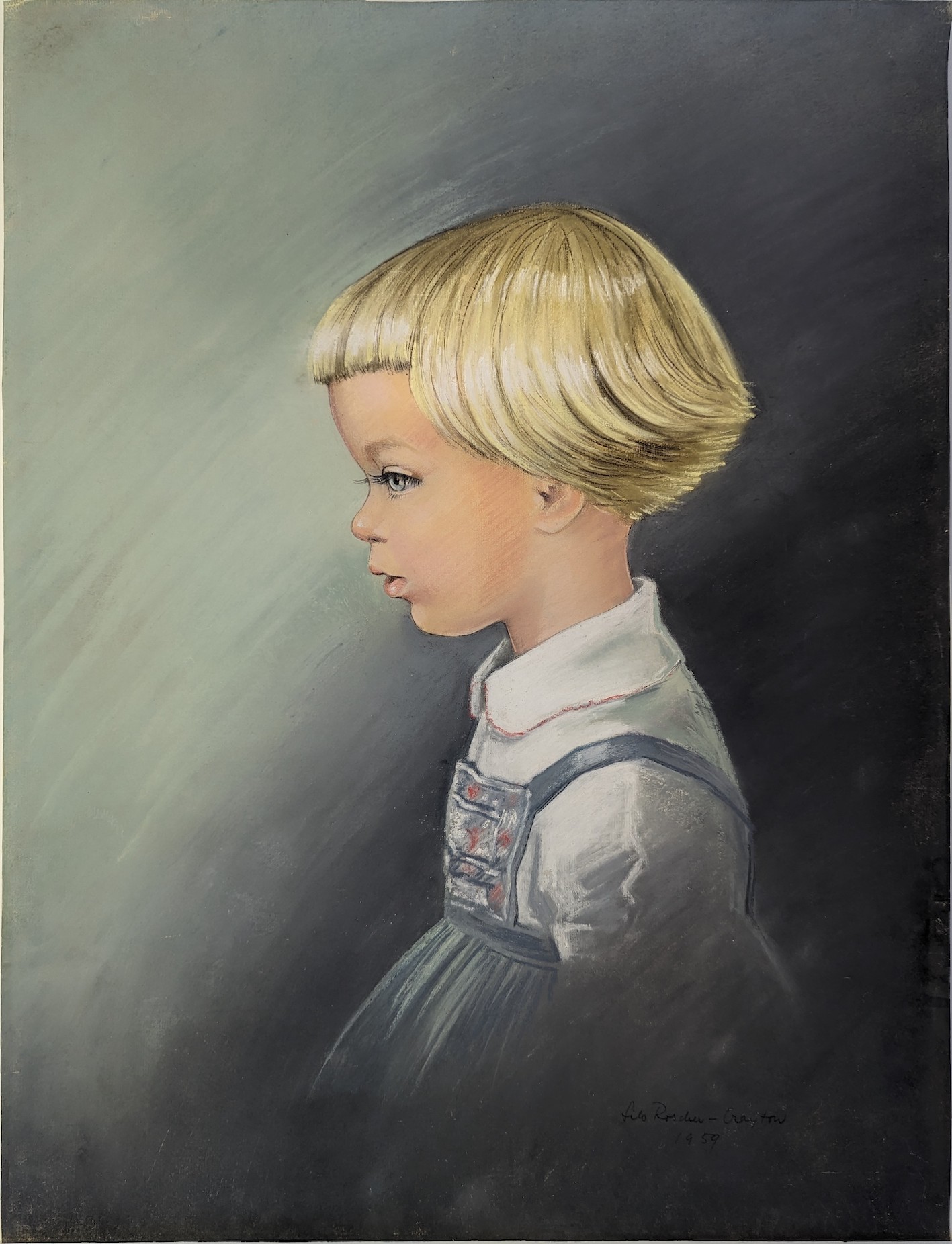
- Pastels
- Books
- Manuscripts & Letters
- Parchments
- Maps & plans
- Certificates
- Antique & modern photographs
- Antique & modern prints
- Contemporary art on paper & mixed media
- Folding Screens
Our conservation and restoration techniques are tailored to address the unique needs of each work on paper. At our studio we aim to restore the integrity and visual beauty of paper-based artworks, while respecting their historical authenticity.
Interventions on Paper Conservation
Using gentle techniques and specialised tools, our team carefully dry-clean paper surfaces to remove dirt, grime or other unwanted layers without damaging the delicate artwork’s surface.
Two common methods we employ for this intervention are cleaning on the bath and cleaning on the vacuum table.
Cleaning on the bath involves immersing the artwork in a controlled bath of appropriate cleaning solutions, carefully removing surface dirt and stains. This method allows for gentle yet thorough cleaning while minimising the risk of damage to the delicate paper.
On the other hand, washing on the vacuum table with a low-pressure suction, is a more specialised technique used for delicate or sensitive to water artworks.
Whether employing cleaning on the bath or cleaning on the vacuum table, our team meticulously assess each artwork’s condition to determine the most appropriate method, ensuring the preservation and revitalisation of the artwork’s original aesthetic qualities.
Acidic degradation (hydrolysis) poses a significant threat to paper artefacts. We employ de-acidification treatments using archival-grade materials and methods to neutralise acids, stabilise the pH level and slow down any further deterioration.
Because of the inherent nature of paper-based artworks, they are highly susceptible to mould and foxing growth. We employ proven techniques to safely deactivate mould, prevent future growth and minimise foxing.
This consolidation process ensures the structural integrity of the artwork. Sizing refers to the application of a specialised adhesive, enhancing its resistance to moisture, reducing ink bleeding, and improving overall durability.
Additionally, consolidation techniques are employed to address issues like flaking or loose media. We carefully select and apply appropriate sizing and consolidating methods and materials, to ensure optimal protection without compromising the artwork’s visual qualities.
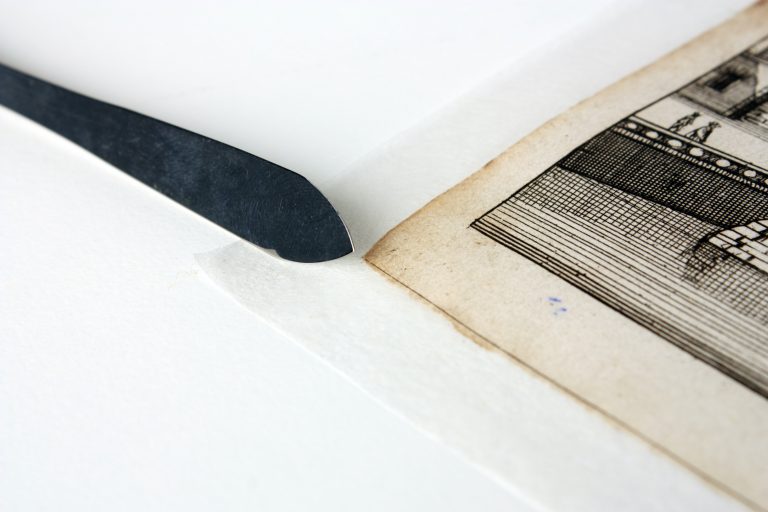
Our team is experienced in repairing tears, creases and weakened areas in paper. Through precise techniques such as tear mending or Japanese paper backing, we reinforce the paper’s structure and ensure the longevity of the artwork. Furthermore, when the work of art has significant losses, we infill the lacunas using archival-grade materials and reversible methods to preserve the visual and structural integrity of the item.
In addition to remedial treatments, we also emphasise the importance of preventive conservation. We offer advice and guidance on proper handling, display and storage techniques to minimise risks of damage caused by environmental factors such as light, temperature, humidity or pests.
Our team is available for consultations and can assist in developing collection management plans, including conservation schedules, condition assessments, and risk management strategies. We work with museums, galleries and institutions to safeguard their valuable art collections.
Talk to us
Have any questions? We are always open to talk about your artworks, new projects, creative opportunities and how we can help you.